

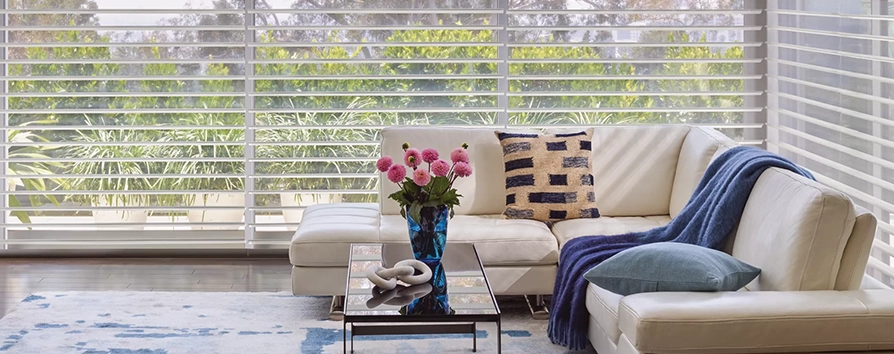
The room looks shaded. The glare is lower, the solid bands overlap, and the window appears covered. The air is still heated. The sofa is hot. The AC keeps running. It can be disappointing when you thought totally closed zebra blinds would cool the environment.
The problem might not be the shade. Zebra shades control light, privacy, and glare. They minimize direct sunlight, but they don’t seal the window or block all forms of heat. Other areas of the room may still get heated when the cloth is closed.
Closed Fabric Is Not Insulation
Zebra shades use alternating sheer and solid fabric bands. When the solid bands line up, the shade blocks more light and gives greater privacy. However, the fabric remains thin compared with insulated window coverings.
Heat can still pass through the glass and collect between the window and shade. Warm air then moves around the fabric edges and enters the room.
The Glass May Be the Main Heat Source
Window glass can carry outdoor heat into a room. Strong sunlight passes through the pane and warms floors, walls, beds, desks, and furniture. Those surfaces then release heat back into the air.
Large windows expose more glass. Older single-pane windows may also transfer warmth faster than coated or double-pane glass.
West-facing windows receive strong afternoon sun. South-facing windows may stay exposed longer. Even after the shade closes, the glass and nearby surfaces can remain warm for hours.
Closing zebra shades before direct sunlight reaches the window can help. Early closure limits solar heat and gives the room a better chance to stay comfortable.
Side Gaps Can Let Heat In
Inside-mounted custom zebra shades need space so the fabric can move freely. That clearance often leaves narrow gaps along the sides.
Direct sunlight can pass through those gaps and land on flooring, walls, or furniture. A thin beam may look minor, yet it can create a warm area.
Outside mounting can give wider coverage because the fabric extends beyond the window opening. However, trim, handles, wall space, and window shape affect the fit.
Check the full opening for:
- Light entering along both sides
- Space above the shade
- Gaps below the lower rail
- Uneven window frames
- Fabric narrower than the glass
Fabric Type Changes the Result
Not all zebra shade fabrics manage sunlight the same way. Some keep rooms bright. Others use denser solid bands that reduce more light.
A light-filtering fabric can soften glare without stopping much warmth. A thicker fabric may provide stronger coverage, but it still does not create an airtight layer.
Color matters too. Dark fabric can absorb solar warmth, especially near hot glass. Light fabric may reflect more visible light, although results depend on the backing, weave, and window direction.
Before choosing fabric, consider:
- Hours of direct sun
- Window direction
- Glass size
- Room use
- Privacy needs
- Fabric density
Heat Can Build Behind the Shade
When the shade sits near the pane, warm air can collect between the glass and fabric. That air rises and moves around the top, sides, or bottom.
This effect grows when the window receives sun for hours, the glass becomes hot, and airflow is weak.
A ceiling fan or standing fan can reduce hot pockets. However, a fan cannot stop heat from entering. It only spreads cooler air more evenly.
Pulling the shade down earlier can keep the heat buildup from occurring before the glass gets the hottest.
Air Leaks Around the Frame Add Warmth
The fabric can cover the glass as hot air from outside enters around the frame. Old caulk, loose seals, deteriorated weather stripping, and minor breaches can allow constant heat to come indoors. Zebra hues do not cover these gaps.
Warm air around the trim, dusty lines around gaps, crumbling caulk, rattling windows, and temperature variations around the margins are all signs of air leaks.
Caulking these spots can make them more comfortable without affecting the color. It may also help the room hold cooled air longer.
Indoor Heat Sources Matter
Sunlight is only one heat source. Televisions, computers, lamps, cooking appliances, gaming systems, and people all add warmth.
A home office can stay hot because computers release heat for hours. A living room can remain warm because of a television, lamps, and several people.
Helpful steps include:
- Turning off unused lights
- Moving electronics from the window
- Keeping vents clear
- Cleaning air filters
- Moving furniture from airflow paths
- Using fans to spread cool air
These checks show whether the shade is underperforming or several heat sources are working together.
Humidity Can Make Heat Feel Worse
High humidity can make it seem warmer because moisture in the air slows down the body’s natural cooling function. Zebra blinds can block the sun; however, they can not extract moisture from interior air.
Humidity might rise after cooking, bathing, wet weather, or inadequate ventilation. You can keep track of the level with a basic indoor humidity meter.
Closing the Shade Too Late Reduces Its Benefit
Once sunlight has heated the glass, floor, furniture, and walls, closing the shade cannot remove that stored warmth. Those surfaces may keep releasing heat for hours.
A better routine includes:
- Closing sun-facing shades before peak heat
- Keeping solid bands aligned during strong sunlight
- Opening shades after the sun moves away
- Using fans to spread cooled air
- Turning off unused electronics
This routine helps limit heat before it settles into the room.
Final Verdict
A room may still feel hot with zebra shades fully closed because the solid bands mainly control light, glare, and privacy. Heat can still pass through glass, between the frame, trapped air, side apertures, appliances, and damp air.
Closing the shades earlier, verifying side coverage, examining fabric density, sealing air leaks, optimizing airflow, and watching how sunlight flows across the room are the most useful procedures.
Superior Window Fashion lets homeowners evaluate zebra shade fabrics, window fit, light management, and room use before they decide. That practical approach is important since improved comfort comes from matching the shade to the window, sun orientation and daily habits, not just fabric appearance.